March 6, 2024

The insurance landscape is undergoing seismic shifts, with unprecedented rate hikes affecting policyholders not just here in the New York area, but around the country and the globe. A confluence of factors has created a perfect storm for insurance carriers, and while these carriers weathered these challenges for an extended period, they are now passing on the costs to policyholders.
This blog explores the multifaceted reasons behind the rate hikes, the global nature of the issue, and the crucial role insurance agents and brokers play in helping individuals navigate this challenging market.
What are the top factors are behind the insurance rate hikes?
- Natural Disasters: Floods, fires, and other disasters have become more frequent and severe, causing extensive damage and resulting in higher insurance claims. This is resulted in insurance companies grappling with mounting payouts, prompting them to reassess their risk models and adjust premiums accordingly.
- Auto Repair Costs: The modernization of vehicles, equipped with advanced safety features and technology, has led to a surge in auto repair costs. Insurance carriers, faced with higher expenses for repairing and replacing these sophisticated components, have needed to raise premiums to offset the financial strain on their end.
- Construction Costs: The global rise in construction costs has added another layer of complexity to the insurance market. Whether it’s residential or commercial properties, the expenses associated with construction have surged, influencing the replacement value of insured properties.
- Increase in Car Accidents: The growing number of car accidents has contributed significantly to escalating insurance rates. Factors such as distracted driving, increased traffic congestion, and changing road dynamics have led to a higher frequency of accidents, amplifying the financial burden on insurance carriers.
It’s Not Personal – Everyone Feels the Effects
Contrary to being a localized issue, the surge in insurance rates is a global. While specific events may trigger regional spikes, the interconnected nature of the insurance market means that repercussions are felt worldwide. The media has widely reported on the issue – here are two recent articles:
https://www.nytimes.com/2024/02/16/business/homeowners-insurance-bills-coverage.html
https://www.cnn.com/2023/09/13/business/inflation-car-insurance-rate-increases/index.html
Whether you have a pristine driving record or a spotless homeownership history, the impact of these rate hikes is indiscriminate. The shift in the insurance landscape reflects the collective need for carriers to remain financially viable amidst mounting challenges. Policyholders, even those with excellent track records, find themselves sharing the burden of increased premiums, emphasizing the universality of these adjustments.
What can I do to help lower my insurance rates?
Despite these factors, there are still some things you can try to help lower your monthly premiums. While most insurers consider the same factors when calculating premiums, they weigh them differently.
That’s why having a knowledgeable insurance broker is more crucial than ever. Brokers act as intermediaries between policyholders and insurance carriers and will shop around on your behalf — leveraging their expertise to find the best coverage at the best available rates. They can also assist in other possibilities, such as whether bundling insurance or raising deductibles will help save you money. While the inevitability of rate hikes may be disheartening, brokers such as the experienced team at Rey Insurance play a pivotal role in helping clients understand these changes.
But one key point to keep in mind: It may not make sense to skimp on coverage to save money. You could end up paying dearly if disaster strikes.
At Rey, we want you to understand the factors at play and give you the expert guidance that can help you make the best decisions to protect your assets and financial well-being. For more information call Rey Insurance at (914) 631-7628 or visit reyinsurance.com.
February 16, 2024

Big weather events like wildfires and floods made headlines last summer, taking their toll on many parts of the country. With the unsettled weather we now often see in the New York metropolitan area, it’s time to take precautions to minimize your risk as a homeowner.
According to finder.com, New York ranks in the top 10 for states most often hit by hurricanes. That makes flood insurance important, especially in regions prone to hurricanes and heavy rainfall like the Northeast. It provides financial protection and peace of mind during and after severe weather events. But note that other things are considered floods as well —such as excess water seepage, water seeping in from the foundation of your home, or a pool malfunction with leaking into the home.
Unless you have a flood endorsement, standard homeowners’ policies do not include flood insurance. If your home is in a flood-prone area, relying solely on your standard policy can leave you financially vulnerable.
Flood insurance: What you need to know
- Limited Coverage in Standard Home Insurance: Protection for Your Home: Flood insurance covers damage to your home’s structure, including its foundation, walls, floors, and systems like electrical and plumbing. This coverage helps you rebuild or repair your home after flooding, which can be extremely expensive without insurance.
- Coverage for Personal Belongings: For basements, flood insurance typically covers dry wall and machinery but not personal belongings. Be aware that replacing these items out-of-pocket can be a significant expense.
- Mitigating Financial Loss: Hurricanes in the Northeast can cause significant damage due to storm surges, heavy rainfall, and overflowing rivers. Flood insurance can help mitigate the financial losses you may incur due to flood-related damage, allowing you to recover more quickly.
- Availability of Federal Flood Insurance: The National Flood Insurance Program (NFIP), which is administered by FEMA, provides flood insurance in participating communities. This program ensures that residents in flood-prone areas have access to flood insurance, even if private insurers are reluctant to offer coverage in high-risk areas.
- Mortgage Requirements: If you have a mortgage on your home and it’s located in a high-risk flood zone, your lender may require you to carry flood insurance as part of your mortgage agreement.
- Peace of Mind: Hurricane season can be stressful, and the uncertainty of weather patterns makes it essential to be prepared. Knowing you have flood insurance can provide peace of mind, allowing you to focus on safety and evacuation plans rather than worrying about financial repercussions.
Think Rey for those rainy days
Keep in mind that flood insurance usually has limitations and exclusions. It can vary based on factors such as the type of policy you purchase, your property’s location within a flood zone, the level of risk, and the insurance provider. If you’re considering purchasing flood insurance, consult with the professionals at Rey Insurance who can guide you through the details and help you select the appropriate coverage for your needs. Contact Rey today at 914-631-7628, or visit www.reyinsurance.com.
December 4, 2023

The United States is linked together by a vast network of highways and byways, city streets and country roads. New York is no exception, with over 240,000 miles of roadways and over 3 million registered automobiles according to Statistica.com. Factor in cars and trucks here from other states, and it’s no wonder that collisions are a daily occurrence.
From fender benders to head-on collisions, any kind of an automotive impact can be physically jarring and nerve shattering. If, at some point, you find yourself in a car accident, this article will shed light on the steps to take to prioritize your safety and handle the situation correctly.
Move Away from the Danger Zone: If you can do so safely, move your vehicle to the side of the road to prevent further accidents. Turn on your hazard lights. Check for injuries, both in your vehicle and in the other vehicle(s) involved.
Contact the Police: Call 911 immediately if anyone is injured, and wait at the scene until police come to file a report.
Exchange Information: Exchange contact and insurance information with the other driver(s) involved. This typically includes names, phone numbers, addresses, insurance company names, policy numbers, and license plate numbers.
Document the Accident: Take photos or videos of the accident scene, vehicle damage, and any relevant road conditions. Write down the date, time, location, and weather conditions.
Be Cautious with Statements: Be careful about admitting fault or making statements that could be used against you in a legal proceeding. Stick to the facts when talking to the other party and the police.
Gather Witnesses: If there were any witnesses to the accident, try to get their contact information. They may be helpful if there are disputes about what happened.
Notify Your Insurance Agent: Contact your insurance agent to report the accident and start the claims process. New York is a “no-fault” insurance state. If injuries involved, you must contact your own agent to discuss.
Rey Insurance: Your trusted advisor working for your best interests
Keep in mind that these actions can vary depending on the severity of the accident, local laws, and your location. The independent insurance professionals at Rey can be of invaluable help during this process, advising you on next steps and how to best handle the situation. Having someone knowledgeable on your side can make a big difference in navigating the complex world of insurance. Find out more by visiting www.reyinsurance.com/services/personal/ny-auto-insurance or call us at 914-631-7628.
October 20, 2023

While Sleepy Hollow is known as the Halloween Capital of the World, the rest of the Hudson Valley is not far behind! While it’s a time of costumes, trick or treating and general hijinks, Halloween mischief can sometimes mean potential problems for homeowners — and that’s where insurance coverage comes in.
How does my homeowners insurance help cover different types of Halloween-related mischief?
- Property Damage: If your property is vandalized or damaged by Halloween pranks, such as egging, toilet papering, or graffiti, your homeowners insurance may cover the cost of repairing the damage. This typically falls under the “property damage” or “vandalism” section of your policy.
- Theft: If Halloween mischief leads to theft of your personal property or decorations, your homeowners insurance may provide coverage for the stolen items. Keep in mind that there may be limits and deductibles, so check your policy for details.
- Liability Coverage: Homeowners insurance also includes liability coverage. If someone is injured on your property during Halloween (i.e., tripping over decorations or slipping on a wet walkway), your liability coverage can help protect you in case they file a lawsuit against you.
- Fire Damage: Some Halloween decorations involve candles or other open flames, which can pose a fire hazard. If a fire starts due to these decorations and damages your property, your homeowners insurance should cover the fire damage.
- Personal Property Coverage: Your homeowners insurance may also provide coverage for stolen or damaged personal property, such as costumes, electronics, or Halloween decorations. Be sure to review your policy to understand the limits and deductible associated with this coverage.
- Additional Coverage for High-Value Items: If you have valuable Halloween decorations or collectibles, consider adding an endorsement or floater to your policy to ensure that these items are adequately covered. Standard policies may have limitations on the coverage for high-value items.
What steps should I take to mitigate the risk of Halloween–related insurance claims?
As a responsible homeowner, you can take some simple steps to help prevent accidents from occurring such as: making sure that all Halloween decorations are properly secured to prevent them from causing damage in case of strong winds; avoiding the use of open flames for decorations; keeping pathways clear and well lit to help avoid tripping hazards; and consider installing a home securing system to deter burglars.
What to do in the event of Halloween mischief:
- Document the Damage: Take photos and document the extent of the damage or theft as soon as it occurs. This evidence will be useful when filing a claim.
- Report the Incident: Contact your insurance agent promptly to report the incident and initiate the claims process. Provide them with all the necessary details.
- Understand Your Deductible: Review your policy to understand your deductible and how it affects your coverage and be prepared to cooperate with any investigations conducted by your insurance company.
Count on Rey Insurance, located in the heart of Sleepy Hollow, to help ensure that your Halloween holiday is a treat and not a terrible trick on your property and possessions. While homeowners insurance can provide protection against Halloween mischief, policies can vary, so it’s essential to review your specific policy’s terms, conditions, and coverage limits. Speak with your Rey Insurance agent to discuss any specific concerns related to Halloween-related risks. For more, visit reyinsurance.com or call 914-631-7628.
September 18, 2023

We’re well into September and college students all around Westchester and the New York metro area are now at college. As a responsible parent, you want to ensure your child is protected in every way possible, including their personal belongings. This is where your homeowners insurance comes into play, offering a safety net even when they’re away from home.
When your child moves into a college dorm room, they bring along a variety of personal items: a laptop for studying, a mini-fridge for snacks, clothing, textbooks, and perhaps even some sentimental keepsakes. These items are important for their comfort and academic success, and you want to make sure they’re covered in case of unexpected events.
Your homeowner’s insurance policy, which covers your primary residence, often extends coverage to college dorms. This extension of coverage is crucial because it recognizes that your family’s belongings don’t just stay confined within the four walls of your home. But keep in mind that this off-premises coverage is also subject to the same perils that are covered at your primary residence.
Here’s how it generally works:
- Dorm Coverage: Most homeowner’s insurance policies include coverage for personal belongings that extend to your child’s college dorm room, as it’s considered a temporary residence.
- Perils Covered: The coverage will be subject to the same perils (events that cause damage or loss) that are covered within your homeowner’s insurance policy including fire, theft, vandalism, wind and water. It’s important to review your policy to understand what specific perils are covered.
- Deductible: The deductible is the amount you need to pay out of pocket before your insurance coverage kicks in. If a covered event occurs and results in a loss, you’ll be responsible for paying the deductible, and your insurance will cover the remaining cost up to the limits of your policy.
- Limits and Coverage: While your homeowners insurance extends coverage to your child’s dorm room, there might be limits to the amount of coverage. This means there’s a maximum amount your policy will pay out for covered losses in this scenario. Make sure to check your policy for these limits and consider whether they are sufficient to cover your child’s belongings.
- Inventory and Documentation: To ensure a smooth claims process, it’s a good idea to create an inventory of your child’s belongings in the dorm room. This can include a list of items, their estimated value, and any supporting documentation (such as receipts, photos or videos). This information can be invaluable in the event of a claim.
- Policy Review: Before assuming your homeowners insurance extends coverage to your child’s dorm room, review your policy.
- Special Considerations: If your child lives in an off-campus apartment instead of a college dorm, the coverage situation might be different. Call your agent for a renters proposal off-campus housing that the landlord may require.
Count on Rey to keep you on target with your off-premises coverage
Insurance policies can vary significantly depending on the provider and the specific policy you have. That’s why it’s best to read your policy documentation, consult with your Rey insurance agent and ask questions to fully understand how your coverage works in relation to your child’s college dorm room/off-campus housing. We’ll help you understand the terms, limits, and conditions of your policy. Contact Rey today at 914-631-7628, or visit the homeowners insurance page on our web site.
August 28, 2023

For a little over 30 years, the Americans with Disabilities Act (ADA) has changed the lives of people with disabilities in America — including here in the New York metropolitan area. The civil rights law affords them the same opportunities as all others to participate various aspects of public life. Most recently, that has expanded to include digital accessibility.
ADA compliance for websites is essential to ensure that people with disabilities can access and use online information and services with the same ease as those without disabilities. While many larger corporations and well-established businesses have made efforts to become ADA compliant, smaller businesses may not be, due to costs or just not being aware of the consequences.
Why is it important for businesses to have an ADA-compliant website?
- General Liability Insurance: Many businesses have General Liability Insurance, which typically covers bodily injury and property damage claims. If a person, regardless of whether or not they have a disability, encounters barriers while using your non-compliant website and files a claim, your General Liability Insurance might be involved in covering potential legal expenses or settlements. Non-compliance can result in legal action, including lawsuits and hefty fines.
- Lawsuits and Liability Claims: Non-compliant websites can become targets for lawsuits and liability claims from individuals who are unable to use the website due to accessibility barriers. These lawsuits can lead to significant financial and reputational damage.
- Promote Equal Access: ADA website compliance promotes inclusivity and avoids discriminating against people with disabilities. For more on how to make your website more compliant, visit https://accessibe.com/ or https://adasitecompliance.com/.
- Regulatory Landscape: The regulatory environment around web accessibility is evolving, and non-compliance may result in additional regulatory requirements or stricter enforcement in the future.
- Avoiding Remediation Costs: If you are found to be non-compliant, you may be required to invest resources to make your website accessible, which can be more costly than proactively ensuring compliance.
Bottom line: ADA website compliance can be crucial in avoiding legal issues and potential claims. Check with your web designer to make sure your website is compliant. And if you ever need a review of your insurance policies, contact Rey Insurance at 914-631-7628. Visit www.reyinsurance.com.
July 27, 2023

Driving comes with many responsibilities. Topping the list is safety, which is why many states, including New York State, offer incentives for drivers to remain vigilant and comply with road safety rules through defensive driving courses.
There are many private companies and organizations throughout Westchester County and surrounding areas that offer both in-person and online DMV-approved defensive driving classes. The courses run for six hours and provide information and techniques for safe and lawful driving.
Benefits of taking a defensive driving course:
Insurance Discount: Upon successful completion of the course, a defensive driving discount (in New York) will be applied to the base rate of your current liability, no-fault and collision insurance premiums that will be good for three years. After the discount expires, you can retake the defensive driving course to secure your discount for another three years.
Point reduction: In addition to your discount, the defensive driving course can reduce up to four points on your driving record. The number of points applied to your license depends on how many moving violations you have. The number also dictates how close you are to losing your license. For example, in New York, your driver’s license might get suspended if you get 11 points in an 18-month period. It’s important to note that while points may be removed from your license with a defensive driving course, these incidents/violations are still on record with your insurance company, which can result in surcharges.
Become a safer driver: Every time you hit the road, you never know what to expect – accidents, bad weather, aggressive drivers. By completing a defensive driving course, you’re better equipped to handle whatever comes your way with more confidence. These defensive driving skills will help keep you and others safe on the road.
Let Rey Insurance help pave the way for savings
The team at Rey Insurance is always working to help save you money. While there are many defensive driving courses available throughout the area, we recommend the six-hour course offered by My Improv. Be sure to use our special promo code, LAURA10, to save $10 on the cost of the course. Find out more about how Rey Insurance can handle all of your auto insurance needs. Visit us or call 914-631-7628.
July 6, 2023

Westchester County and much of the New York tri-state area are known for their suburban landscapes, where homes of every description can be found. Home ownership offers many benefits, giving you and your family a sense of stability and security. Home ownership also comes with certain responsibilities — to keep your property safe for anyone who might venture onto it.
Mail carriers, neighborhood kids, friends, vendors, passersby – any one of a number of people come on to your property for different reasons. Should an accident occur, an injury may ensue and quite possibly, a lawsuit as well. Protect yourself against this scenario by taking preventative steps to reduce the risk of accidents happening.
The first step is to know the areas that present the highest hazard, so that you can get the proper insurance coverage. These include walkways, stairwells and swimming pools. Assessing, preparing, and repairing these areas on a regular basis can help mitigate potential liability.
Tips that will help keep your property safe from accidents:
Walkways
- Keep walkways free of any clutter, spills, or objects
- Routinely check for sidewalk cracks, uneven surfaces, or leaking rain gutters that empty onto the area. Make any necessary repairs right away.
- Make sure that the walkway is well lit in every area so that all walking paths are clearly visible, even at night.
- Improve the surface of highly trafficked areas to make them slip resistant. This could mean putting down rugs, non-slip mats, or even coating the walkway with a slip-resistant coating.
- Keep your dog leashed to avoid it biting, attacking or unsteadying your visitor
- Shovel your pathways after a snowstorm
Staircases
- Have a sturdy handrail on one or both sides of the stairs, made of material that is easy to grip. Any existing or newly installed handrails should be firmly secure and not loose.
- Make the landing at the bottom and the top of the stairs slip-resistant by adding no-slip mats, carpeting (if they’re indoors) or coating with a non-slip coating.
- Be sure there is plenty of lighting to illuminate the steps.
- Remove any clutter from the steps and the landings.
- Routinely check the stairwell for spills, hazards, and anything that can facilitate tripping and falling.
Swimming Pools
- In New York State as in many states, any outdoor residential swimming pool must have a barrier or fence that will completely surround the pool and prevent unsupervised access.
- Install self-closing gates and childproof locks.
- Remove anything around your fences and gates that could easily be used to assist someone in climbing over.
- Keep your pool deck and surrounding areas clear of clutter.
- Lock up any pool chemicals to prevent accidental poisoning. Most chemicals used in pools are extremely toxic and can be deadly.
Rey Insurance:
Despite your best efforts, accidents can happen. That’s where personal liability insurance can help. Typically a component of your homeowners insurance policy, it acts as a safety net to help you avoid paying out of pocket should an accident occur on your property. The independent agents at Rey Insurance are experts homeowners insurance and will help you choose the limits for your liability coverage. Find out more by visiting reyinsurance.com or call 914-631-7628.
June 8, 2023

Westchester and the New York tri-state area are filled with condos and co-ops that offer their own set of advantages to single home living. But just like single homes, an investment in a co-op or condo requires protection — and that’s where insurance comes in. What you may not know is that insuring your co-op/condo requires considerations specific to them. You can avoid problems and save money by understanding exactly what those considerations are, how they relate to your association policy, and what your responsibilities will be if you have a claim.
Because co-op and condominium owners share building structures, two policies are often necessary – a master policy for the building and an individual policy to cover you from liability, protect your personal belongings and to insure any apartment interior structural elements that are not covered by the master policy.
The master co-op /condo policy: for common areas
The association is responsible for the master policy, which essentially protects the entire building structure and items shared with others in your complex such as the roof, basement, elevator, boiler and walkways. Fees typically come out of your maintenance or association dues.
There are a number of different ways your association may be set up. In order to figure out how much personal insurance coverage you need for your condo or co-op, you need to find out exactly what your association’s master policy and/or bylaws require.
Steps to take for handling a claim
Filing an insurance claim is a multistep process, and not all claims follow the same order or schedule. That’s why it’s important to start the claims process with your insurance company as soon as a loss event takes place.
- Call your insurance agent as soon as possible: It’s important to let your insurance agent know about the incident. Your agent will investigate and determine how the claim should best be handled.
- Be proactive: As a coop or condo owner, you might share walls with your neighbor. If something happens that affects you both, for example if a pipe bursts inside a wall from the unit above, don’t assume your neighbor will be responsible for your damages. Call your agent to rectify the situation. The insurance company will determine if the negligence is on the unit above and subrogate for the damages paid out.
- Understand the timing of your claim: There are deadlines for filing a claim on your policy. Your agent can advise you on the timeline — including deadlines for filing the claim itself, when and how to submit additional information, and when you can expect the insurance company to contact you.
- Supply the information your insurer requests. Keep thorough and organized records of anything related to the claim. Always take photos and keep receipts of what you are have paid to be approved for reimbursement.
The takeaway: be sure to know which structural parts of your home are covered by the condo/co-op association master policy and which are not, so you can properly insure your apartment through your individual policy. Much of the information about your master policy should be in your association’s bylaws which can usually be obtained from the co-op or condo board, or from the company that manages the building.
Your best course of action is to work with an insurance professional that has experience in co-ops and condominiums. When selecting a policy, be sure to ask about discounts that may be available to you. If you insure your unit with the same company as your auto insurance policy, for instance, you might also get an additional reduction in premiums.
Rey Insurance: Your home base when it comes to your home coverage
Our homeowners insurance experts have been protecting homes, condos, co-ops, townhouses and apartments in Sleepy Hollow and Tarrytown and throughout Westchester County, New York and beyond since 1978. Our team of independent insurance agents will make sure you have the very best policy for your needs. Find out more by visiting www.reyinsurance.com/services/personal/homeowners/ or call 914-631-7628.
May 5, 2023

Look! Up in the sky! It’s a bird! It’s a plane! It’s a…drone? Over the last 10 years, the prominence of drones has skyrocketed all across the country. According to the Federal Aviation Administration, there are more than 314,000 commercial drones in the U.S., 17 percent of which are used for insurance purposes.
While still relatively new, an increasing number of insurance companies are utilizing these remotely-controlled unmanned aircraft as part of their home inspection process, among other things.
Drones can be used for proactive risk monitoring
Many insurance companies are now using drone technology to assess risk before a loss occurs. A drone flyby of a home or property allows for more accurate risk analysis.
For homeowners in the Westchester area, this means taking note of such things as roofs and chimneys. Various features of a property that otherwise look sound from ground level could well be in need of attention.
Drones allow for a detailed look at a roof (including the roofing system, roofing materials, roof leaks), chimneys, gutters and drainage systems, and other hard-to-reach areas that are either not accessible or not safe to venture into. Drones are also used for landscape and garden inspections, to help confirm property lines, and to take aerial photos and video of a property for real estate use.
While a homeowner may not be immediately be overjoyed that a potentially pricey issue needs to be addressed, being proactive and taking restorative action beforehand can help avoid larger, more costly problems down the line.
Drone technology helps protect against fraud
Insurers are also using drones to collect information about a property before a disaster hits to assess the best premium for that property. It means that customers who have invested in appropriate mitigation may be rewarded with lower premiums. In addition, having a clear picture of the state of the property before and after an event can help insurers sift out the fraudulent claims from genuine ones, which can help lower premiums for policyholders.
Keeping an eye on your best insurance interests
Insurers are expected to increasingly utilize drone technology with the expectation that it will improve efficiency, resulting in better service and potential savings for customers.
As the insurance industry evolves, the Rey team will always provide personalized recommendations to offer you the best coverage — for when you need it most. For more information, visit www.reyinsurance.com or call 914-631-7628.
April 7, 2023

Decisions…decisions. Residents throughout Westchester and the New York area have plenty of them to make. But when it comes to buying insurance, the decision can be a pretty heavy one, because it’s about protection of your most valued assets — you, your family, and the things worked hard to earn.
The process can be daunting, which is why it pays to rely on an independent insurance agent who will do the comparison shopping for you. From large national insurers such as Travelers, Utica National and Foremost to regional carriers such as NYCM, independent agents often have the experience to know which insurer may be the best fit for you.
Consider the many benefits independent insurance agents offer:
1. They make it easy
Independent agents represent many different insurance companies that offer a wide variety of coverage options and price points. Most on average sell for five to ten different insurance companies. There’s no need for you to accept one quote from one company, and there’s no need for you to spend time filling out many different online applications to get your own quote comparisons. With their connections and knowledge of the market, agents can often find a better value for your insurance dollar than you might find searching on your own. Agents do the shopping. You do the saving. They find you the right blend of price, coverage, and service.
2.They’re locally focused
Local independent insurance agents know the neighborhood and are often involved with the community. It can be difficult for national insurance companies to focus just on Westchester County, for example, when they are also concerned with virtually every other area of the country.
3. They work for you
An independent insurance agent is called “independent” because they work with many different insurance companies, but they work for you. You may have a great relationship with an insurance agent who’s with a national carrier but, ultimately, they have sales goals to reach. If and when it comes time to file a claim, they will do what’s in the company’s best interests, not yours. Conversely, an independent agent will be your advocate through the entire process. If you have a billing or claim concern, or need to change your coverage, they will work with the insurance company on your behalf.
4. They educate and advise
Independent insurance agents have the expertise to explain any complicated policies or rate changes in a way you can understand. Plus, they’re familiar with many different insurance companies and how each one works.
5. They value the “human touch”
Local independent insurance agents are a trusted choice for many because they get to know you as people — neighbors — not just as clients. They will custom-fit your insurance coverage to fit your unique needs. As those needs change, they’ll be able to suggest the best amendments to your policy.
6.They are consultants for a lifetime
Independent agents periodically review your coverage. They are there to help you through all stages and changes in your life, whether you’re going from renting an apartment to buying a home, starting a business, getting married, renovating your home, adding a teen driver to your auto policy.
Rey Insurance Agency: Local independent insurance agents committed to serving you
Since 1978, Rey Insurance has built a reputation of excellence with our clients throughout Westchester, New York, Connecticut and New Jersey. Our team of independent insurance agents are experts in the field, and create customized recommendations for every personal and business insurance client. Find out more about our services and how we can help you.Visit www.reyinsurance.com or call 914-631-7628.
February 24, 2023
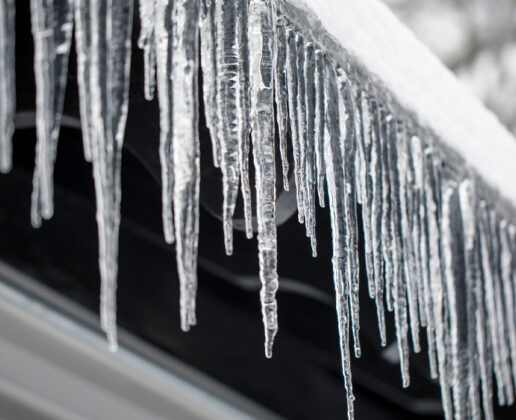
So far, so good. The New York tri-state area hasn’t had to endure a lot of big snowstorms or sustained below-zero cold weather — but the season isn’t finished yet! Smart homeowners in Westchester and surrounding areas know to take preventative measures to avoid burst pipes, especially as school breaks are coming up and people may be traveling more.
Freezing temperatures turn water into ice, which expands its volume. When this happens inside pipes, the pressure increases until they finally burst, leaving you without running water, in addition to serious flooding, ruined belongings, and even structural damage — all of which can add up to inconvenience and costly repairs.
To prevent this headache, keep the water in your pipes from freezing:
- Leave the water at a slow trickle (a little more than a drip).
- Insulate pipes in cold places, like crawlspaces and anywhere they run along exterior walls.
- Leave cabinet and closet doors with water pipes open to ensure warm air circulates around pipes near the outer walls of your home.
- Don’t turn the heat down too much when you’re away, especially if the temperatures outside will be below freezing for a long time. Pipes are often located near exterior walls or under your house and will need extra warmth to stay above freezing. Experts debate the right temperature, but we recommend at least 60 degrees.
If your pipes are frozen or in danger of freezing:
- Turn the faucets on, so the water has somewhere to go if any flow resumes. Otherwise, pressure will build.
- Use a space heater, safely, to keep pipes warm in cold places. (Remember: Don’t put it near anything flammable or combustible, keep it level on the floor, and never leave it on or plugged in when you leave the room or aren’t home.)
Count on the professionals at Rey Insurance to keep you apprised of what your homeowners policy does and doesn’t cover so you’re prepared. As independent insurance brokers, we’ll ensure you are informed of ways to mitigate risk to your home — and offer the right coverage for your needs. We’ve been advising and customizing plans for satisfied customers for 45 years. Find out more about how Rey Insurance can help you. Visit www.reyinsurance.com/homeowners or call 914-631-7628.
January 26, 2023

It’s a question lots of people are asking. Recently, you may have noticed that your homeowners and other insurance premiums have been going up. You’re not alone. The fact is, homeowners across the U.S. — including here in Westchester and the New York tri-state area — are noticing their premiums rising as well.
What is driving home insurance premium increases?
Insurance rate increases are primarily due to rising inflation factors coupled with recent big weather events. As a result of devastating hurricane and wildfire seasons in other parts of the country, the insurance industry has experienced record-setting claim payouts and financial losses. As a result, many insurance carriers are increasing rates across the board to ensure they can successfully meet the demands of future claims.
From May 2021 to May 2022, the price of goods and services increased by 8.6% in the U.S. Economic factors related to inflation and challenges with home-related supply chain issues in the building labor and materials sector are also driving premiums up. Labor and material costs are up nearly 20%, according to the National Association of Home Builders.
How the states stack up: New York fares (fairly) well
Despite these circumstances, insurance companies are working to protect your home and other assets, but they need to raise premium costs to keep up with current trends and to ensure you are adequately protected in the event of damage to them. But not all states are experiencing the same premium increases. According to Policygenius Home Insurance Pricing Report.
- In multiple states, such as Arkansas, Washington and Colorado, home insurance costs have increased at more than double the rate of inflation.
- New York was the only state with a premium increase lower than the inflation rate, at around 8%. Homeowners in New York saw the lowest increases at renewal since last year, with an average premium increase of just $56.
Is there anything I can do to lower my insurance premiums?
While many market conditions that affect your insurance premiums may be out of your control, there are steps you can take to help keep the cost of your coverage in check.
- Minimize potential claims. Check with your agent about any savings you might qualify for as a result of the preventative measures you take. For example, some carriers offer discounts for smoke detectors, fire alarms, water sensors, interior sprinkler systems and smart home protection devices.
- Review your policy. Ask your insurance agent to review your current coverage to ensure you’re getting the customized protection you need. Make sure all home improvements are accounted for. Cancel or reduce coverage you no longer need.
- Increase your deductible. A higher deductible will likely reduce your premium. Just remember to have enough savings to cover your deductible should you experience a loss.
- Bundle up. Some carriers offer discounts when you purchase more than one policy with them. Home and auto are commonly bundled for a discount, but discounts may also apply to boat, valuables and personal umbrella protection.
Rey Insurance: Offering you the very best coverage for your peace of mind
Insurance is a means to protect you, your family and your assets. The time to confirm whether your coverage is adequate is not when it’s time to file a claim; regularly check to make sure your policies are in good shape. As independent insurance brokers, the professionals at Rey Insurance take pride in ensuring that our clients have the coverage they need when it matters most. We’ve been advising and customizing plans for satisfied customers for over 40 years. Find out more about how Rey Insurance can help you. Visit www.reyinsurance.com/homeowners or call 914-631-7628.
